DT
Curriculum Documents

|
DT Intent, Implementation and Impact | [pdf 617KB] |

|
|
|
D&T curriculum overview 2024-2025 | [pdf 248KB] |
|
|
|
Shurdington D&T coverage | [pdf 1MB] |
|
|
|
DT vocabulary progression | [pdf 418KB] |
|
|
|
Progression of skills and knowledge DT | [pdf 447KB] |
|
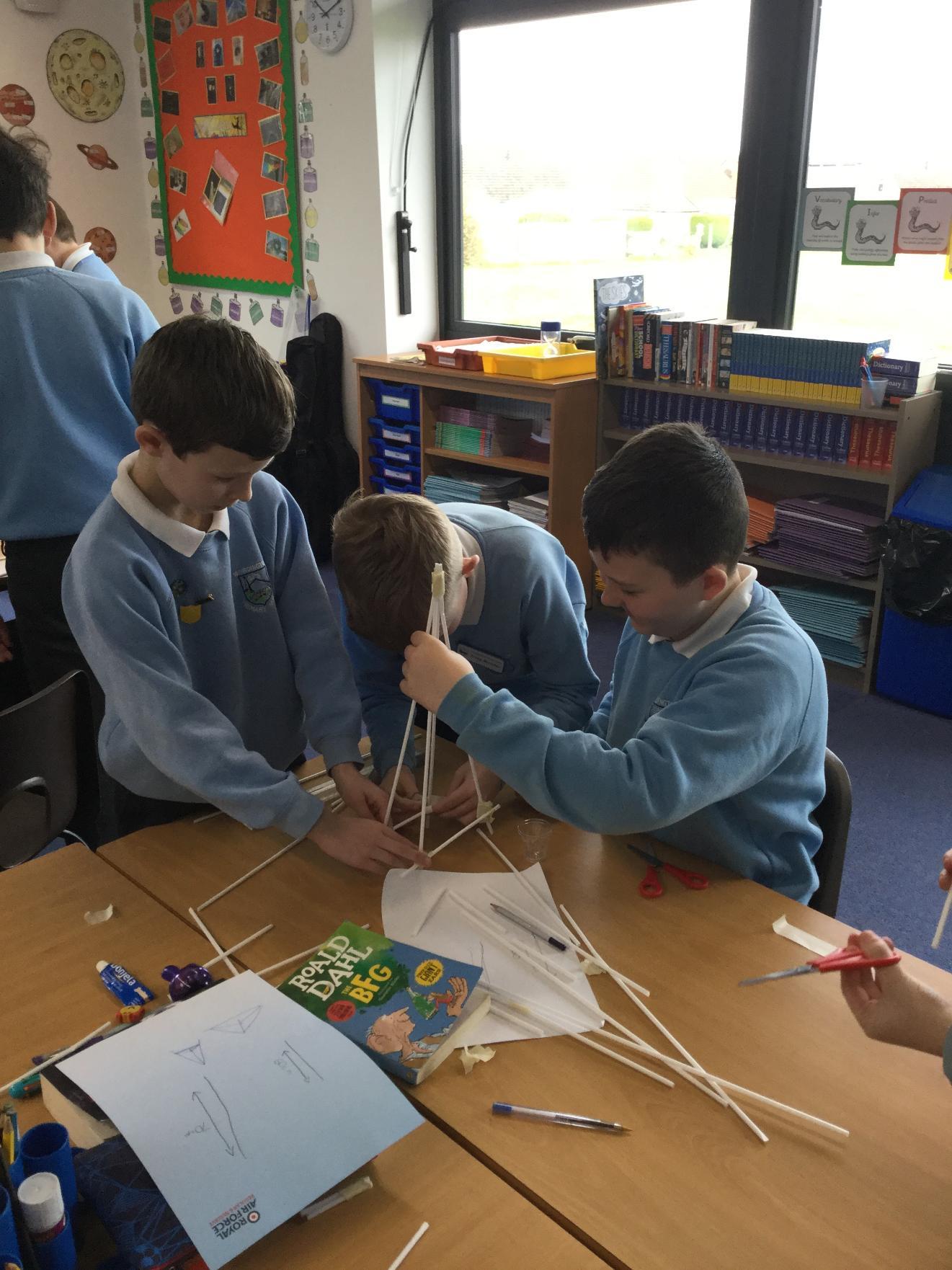
DT Intent
- Inspire pupils to be innovative and creative thinkers who have an appreciation for the product design cycle through ideation, creation, and evaluation.
- Develop the confidence to take risks, through drafting design concepts, modelling, and testing
- Be reflective learners who evaluate their work and the work of others.
- Build an awareness of the impact of design and technology on our lives
- Encourage pupils to become resourceful, enterprising citizens who will have the skills to contribute to future design advancements.
- Enable children to work as a team with Design and Technology and to appreciate the need for deadlines, keeping to budget and compromising between conflicting requirements such as speed, quality and cost.
- Make children aware of safety issues concerned with all areas of Design and Technology so they do not endanger themselves or others.
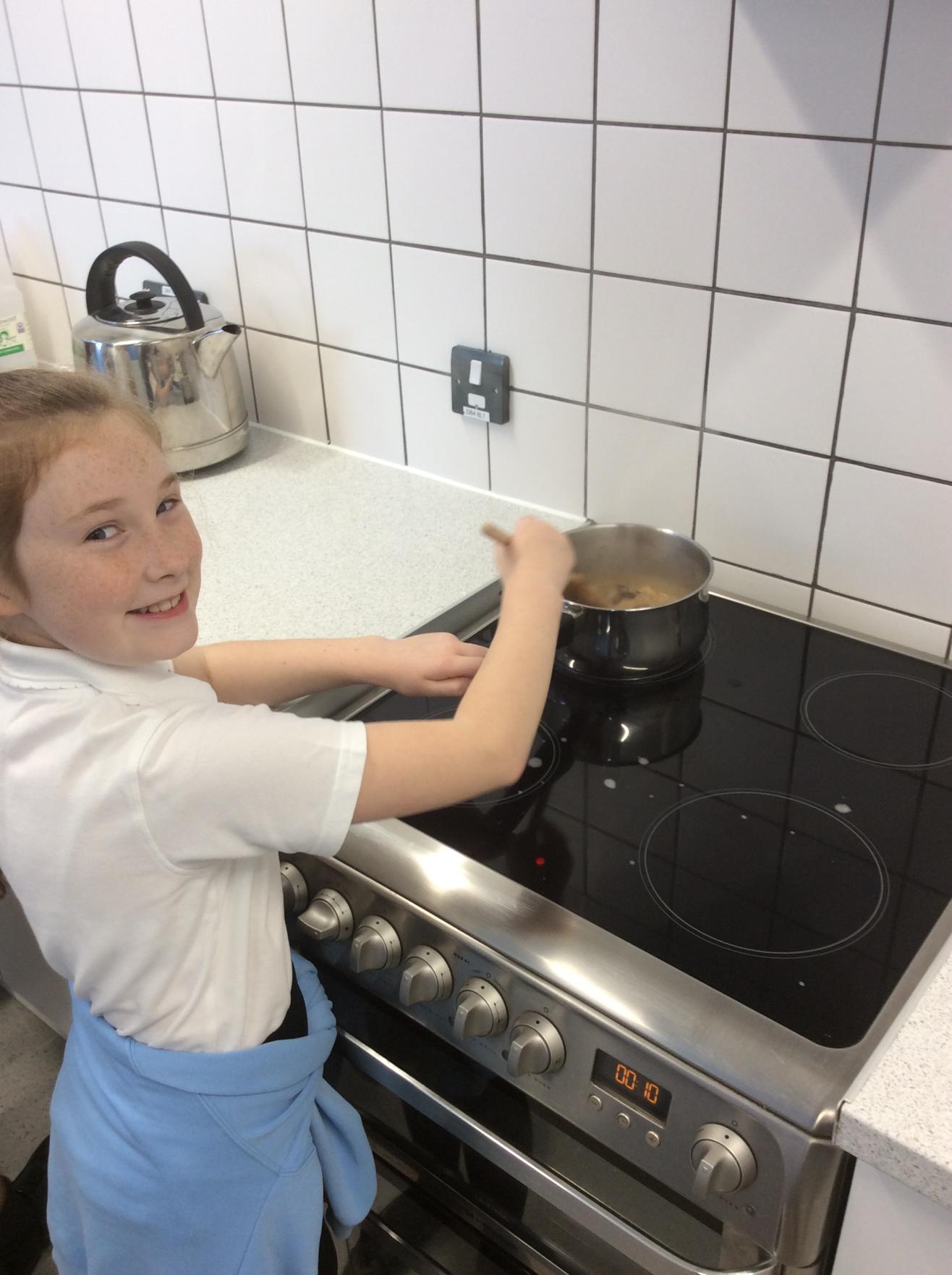
- Understand and apply the principles of nutrition and learn how to cook.
The D&T Curriculum supports an area of our ‘Shurdington Experiences’ (agreed experiences we want all children to take part in before they leave our school):
- Feel good about themselves and feel proud
Our Design and technology scheme of work enables pupils to meet the end of key stage attainment targets in the National curriculum and the aims also align with those in the National curriculum. EYFS (Reception) units provide opportunities for pupils’ to work towards the Development matters statements and the Early Learning Goals.
DT Implementation
D&T is taught once half termly to allow children the time to immerse themselves in the process of planning, making and evaluating. It also ensures tools and equipment can be used and revisited throughout the day to make any adaptations or amendments to their final products.
The Design and technology National curriculum outlines the three main stages of the design process: design, make and evaluate. Each stage of the design process is underpinned by technical knowledge which encompasses the contextual, historical, and technical understanding required for each strand. Cooking and nutrition has a separate section, with a focus on specific principles, skills and techniques in food, including where food comes from, diet and seasonality.
The National curriculum organises the Design and technology attainment targets under four subheadings: Design, Make, Evaluate, and Technical knowledge.
We have taken these subheadings to be our Primary strands:
- Design
- Make
- Evaluate
- Technical knowledge
We use Kapow Primary’s Design and technology scheme which has a clear progression of skills and knowledge within these strands and key areas across each year group. Our National curriculum overview shows which of our units cover each of the National curriculum attainment targets as well as each of the four strands. Our Progression of skills shows the skills and knowledge that are taught within each year group and how these skills develop to ensure that attainment targets are securely met by the end of each key stage.
Cooking and nutrition is given a particular focus in the National curriculum and we have made this one of our six key areas that pupils revisit throughout their time in primary school:
- Cooking and nutrition
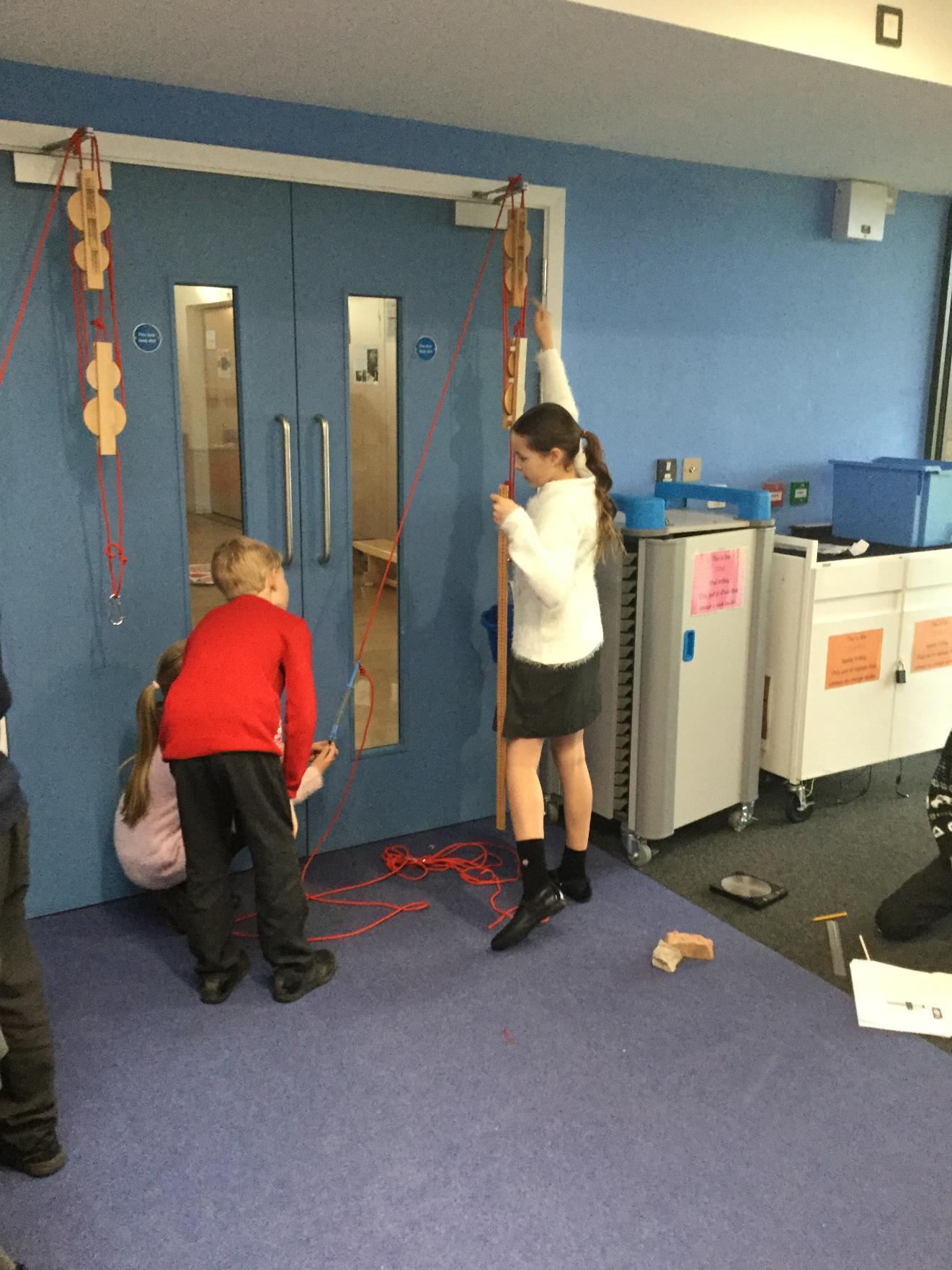
- Mechanisms/ Mechanical systems
- Structures
- Textiles
- Electrical systems (KS2 only)
- Digital world (KS2 only)
Through Kapow Primary’s Design and technology scheme, pupils respond to design briefs and scenarios that require consideration of the needs of others, developing their skills in the six key areas. Each of our key areas follows the design process (design, make and evaluate) and has a particular theme and focus from the technical knowledge or cooking and nutrition section of the curriculum. The Kapow Primary scheme is a spiral curriculum, with key areas revisited again and again with increasing complexity, allowing pupils to revisit and build on their previous learning. Lessons incorporate a range of teaching strategies from independent tasks, paired and group work including practical hands-on, computer-based and inventive tasks. This variety means that lessons are engaging and appeal to those with a variety of learning styles. Differentiated guidance is available for every lesson to ensure that lessons can be accessed by all pupils and opportunities to stretch pupils’ learning are available when required. Knowledge organisers for each unit support pupils in building a foundation of factual knowledge by encouraging recall of key facts and vocabulary.
DT Impact
The impact for the Design and Technology curriculum will be measured through the standard of children’s work from booklet looks, pupil voice, engagement in clubs and through teacher assessment
which is constantly monitored through both formative and summative assessment opportunities where teachers assess pupils against the learning objectives. Furthermore, each unit has a unit quiz and
knowledge catcher which can be used at the start and/ or end of the unit.
The expected impact of following the Kapow Primary Design and technology scheme of work
is that children will:
- Understand the functional and aesthetic properties of a range of materials and resources.
- Understand how to use and combine tools to carry out different processes for shaping,
- decorating, and manufacturing products.
- Build and apply a repertoire of skills, knowledge and understanding to produce high
- quality, innovative outcomes, including models, prototypes, CAD, and products to fulfil
- the needs of users, clients, and scenarios.
- Understand and apply the principles of healthy eating, diets, and recipes, including key
- processes, food groups and cooking equipment.
- Have an appreciation for key individuals, inventions, and events in history and of today
- that impact our world.
- Recognise where our decisions can impact the wider world in terms of community, social
- and environmental issues.
- Self-evaluate and reflect on learning at different stages and identify areas to improve.
- Meet the end of key stage expectations outlined in the National curriculum for Design
- and technology.
- Meet the end of key stage expectations outlined in the National curriculum for Computing.