Forest School
At Shurdington Primary School, we believe every child should have the opportunity to experience learning all about science outside of the classroom. Therefore, over the course of the academic year, every child has the chance to participate in fun, meaningful and exciting forest school activities on the school’s grounds. Overall, providing a strong link between their learning within the classroom to the world outside.


What have we been learning about in Forest School this academic year? (2025/2026)
Year 4 (Autumn term 1)
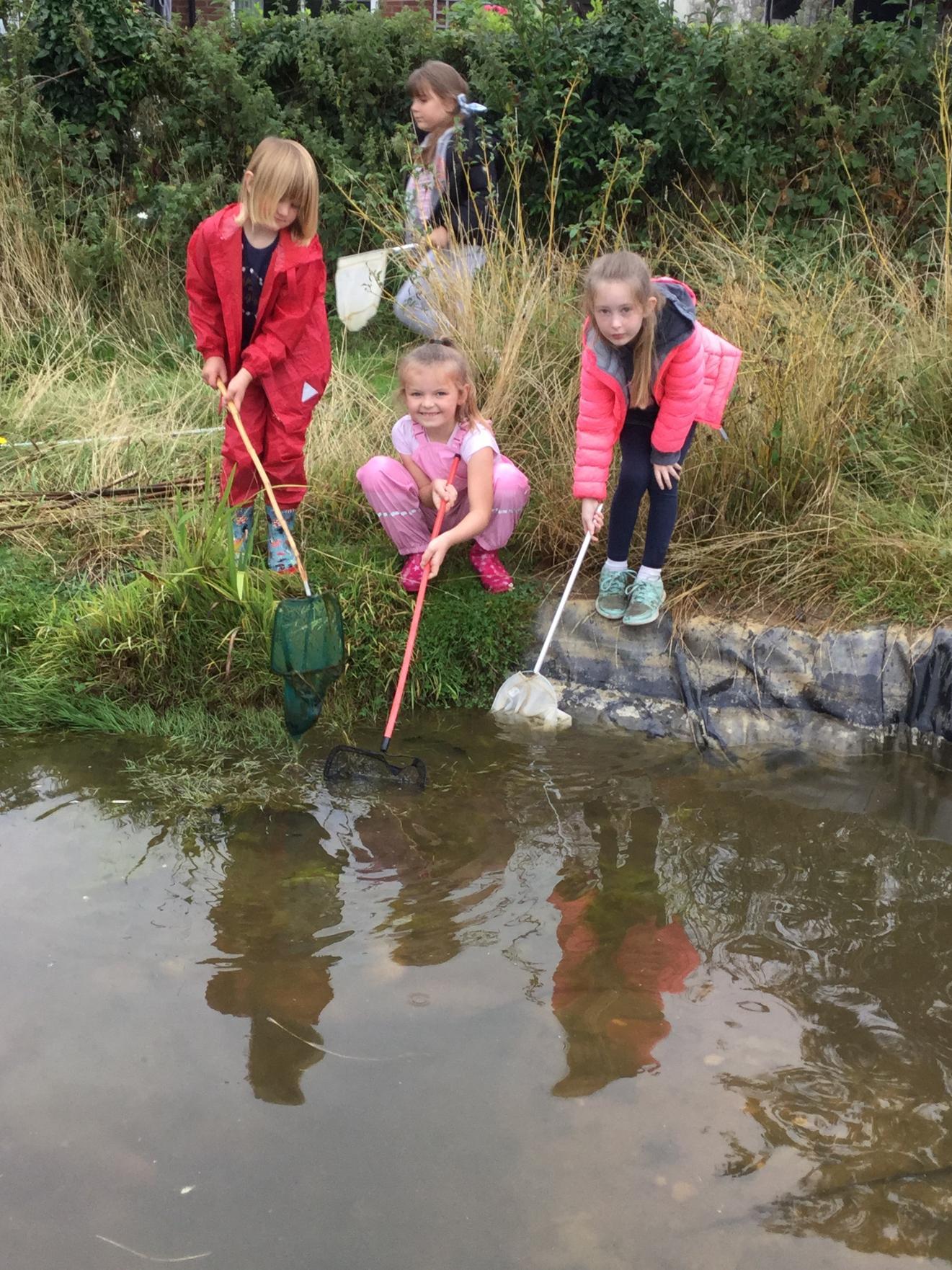
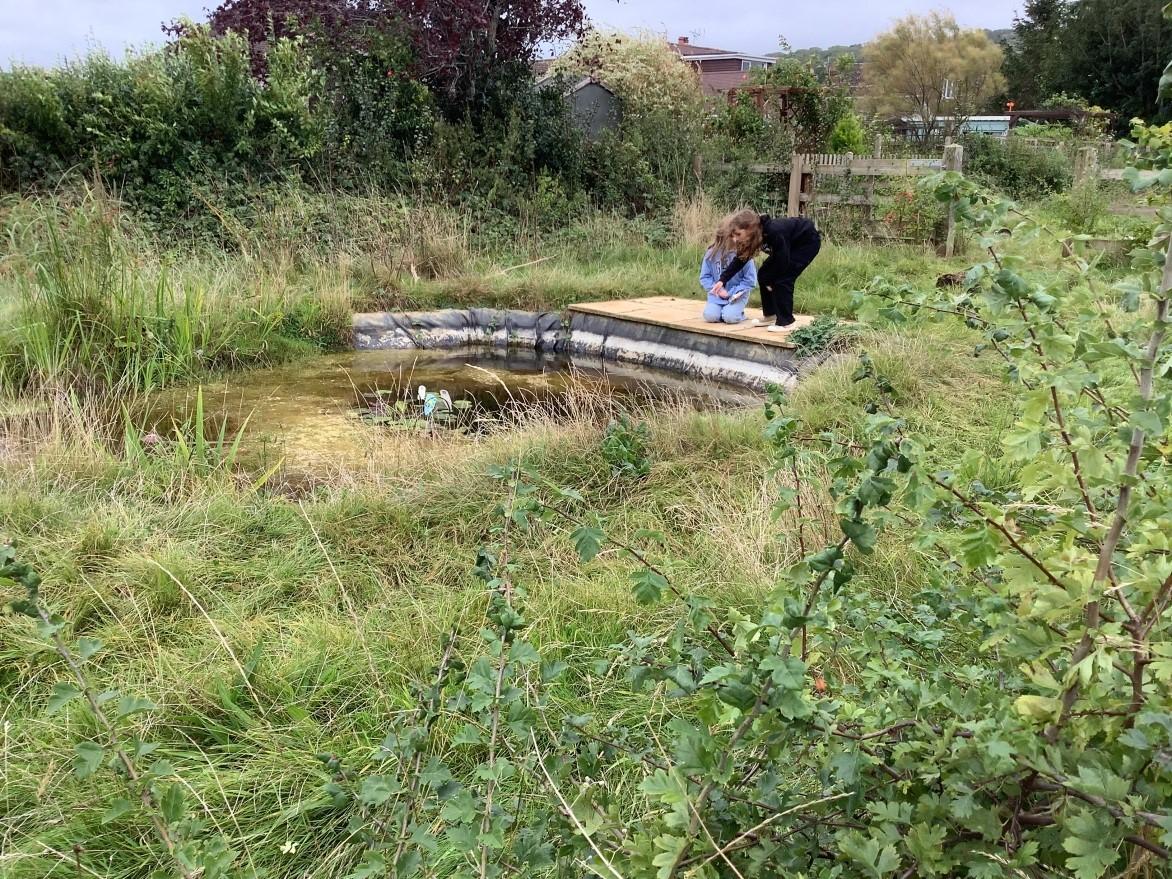
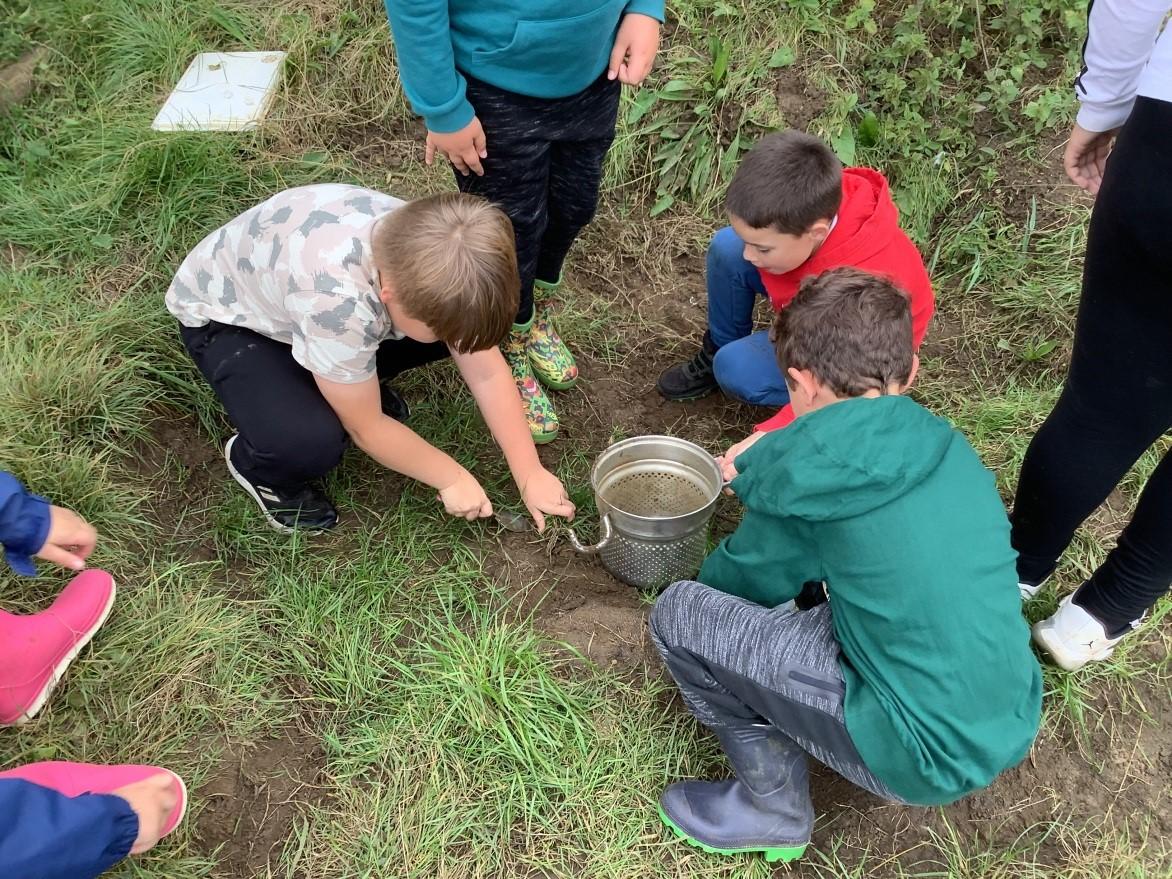
During their Forest school sessions, the Year 4’s participated in a range of activities linked to ECO week. This included making bird feeders, planting more flowers, removing weeds, exploring pond safety and making bug hotels.
Year 5 and 6 (Autumn term 2)
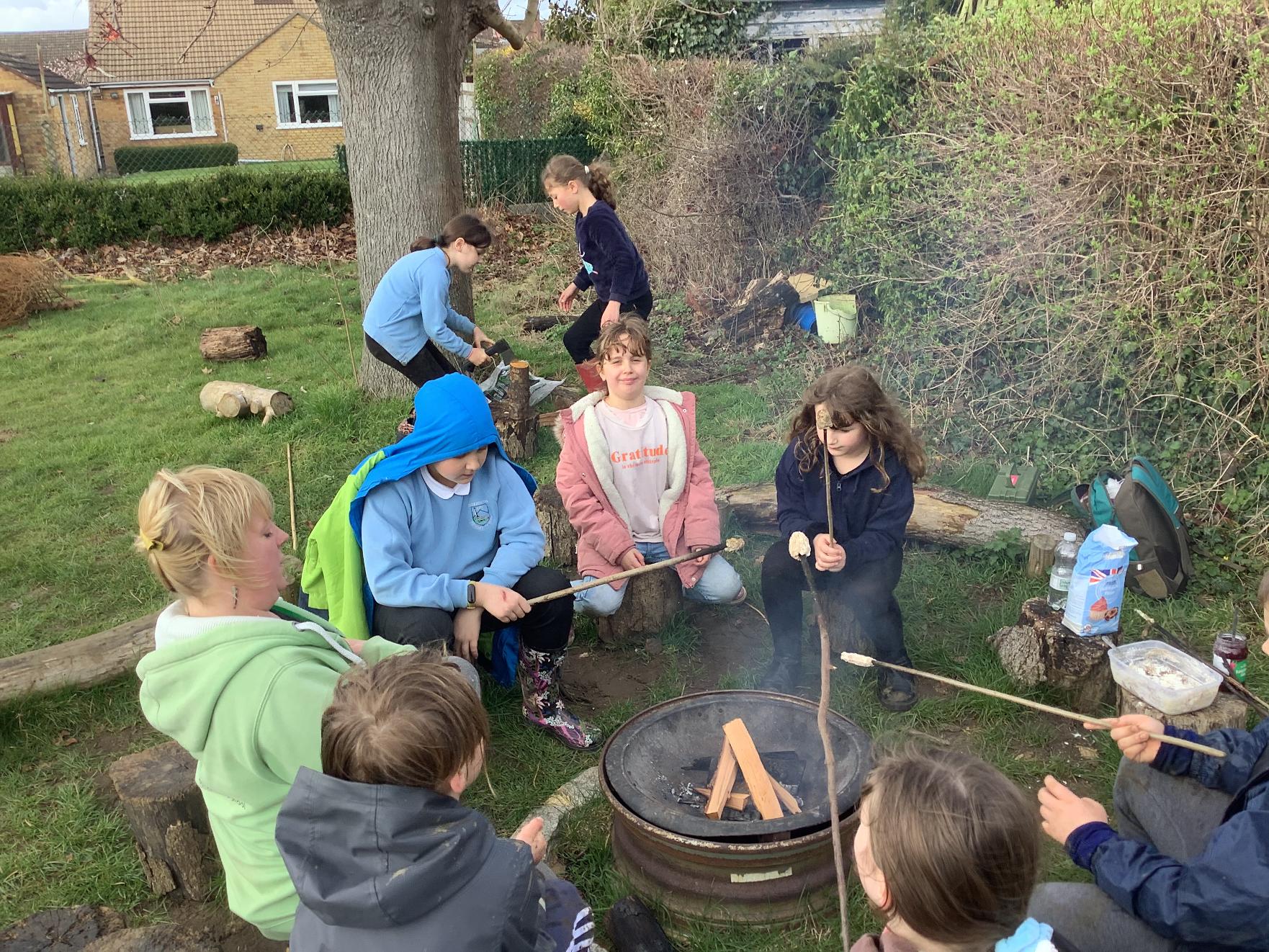
This term, Year 5 have been busy embracing the great outdoors in Forest School. They gathered around the fire to make hot chocolate, s’mores, and pizza pockets. Creativity flourished as they crafted Christmas tree decorations from pinecones, made snowmen using clay, and created bird feeders. Pupils also learnt the practical skills of fire lighting and lopping bushes, building confidence in working safely with nature. Alongside these hands-on experiences, they explored the wonders of the natural world—learning to describe the differences in the life cycles of mammals, insects, and birds, and discovering how each thrives in its unique habitat. They also investigated how animals adapt to the seasons, finding out about hibernation and the fascinating behaviours of nocturnal creatures.
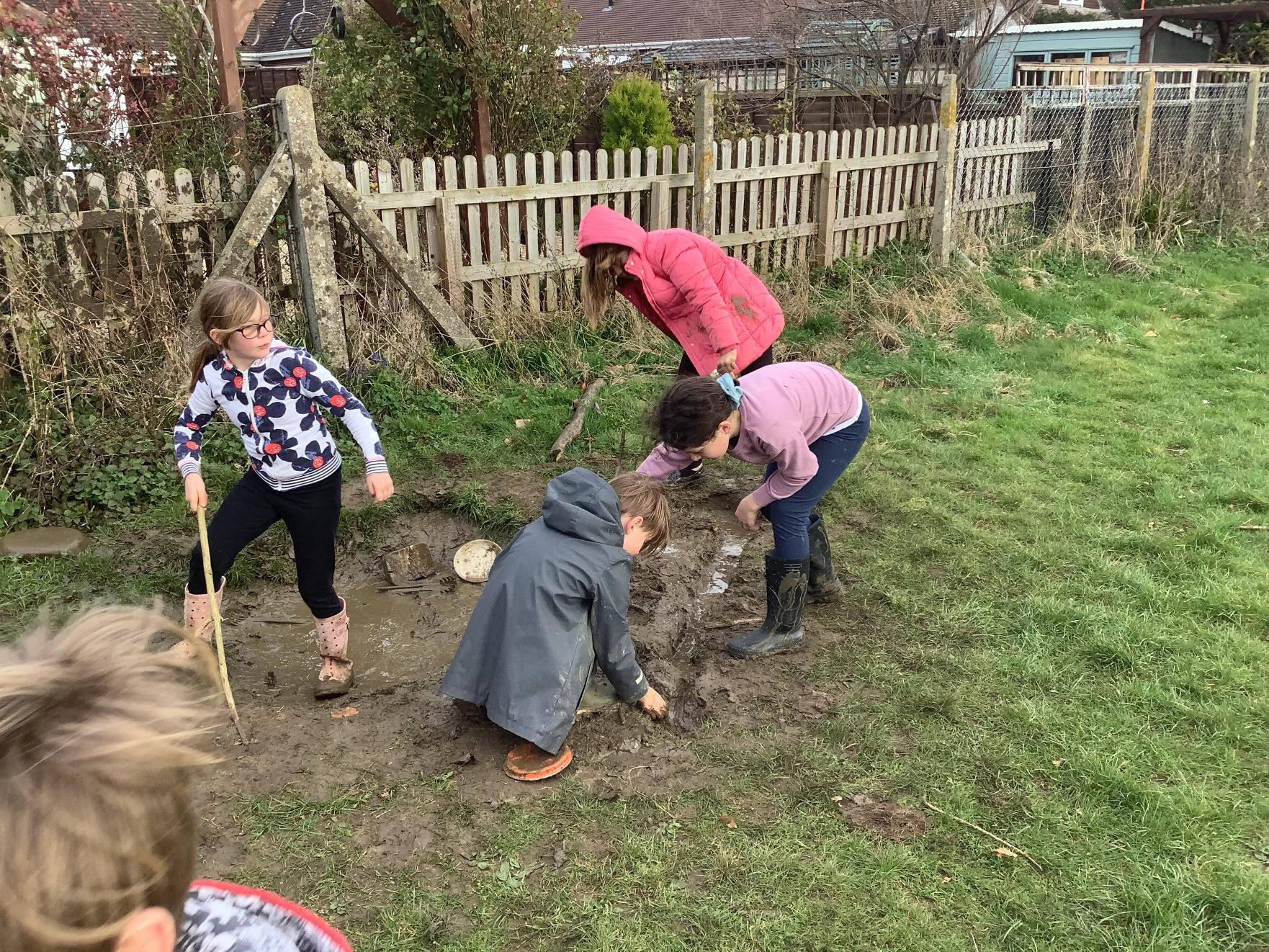
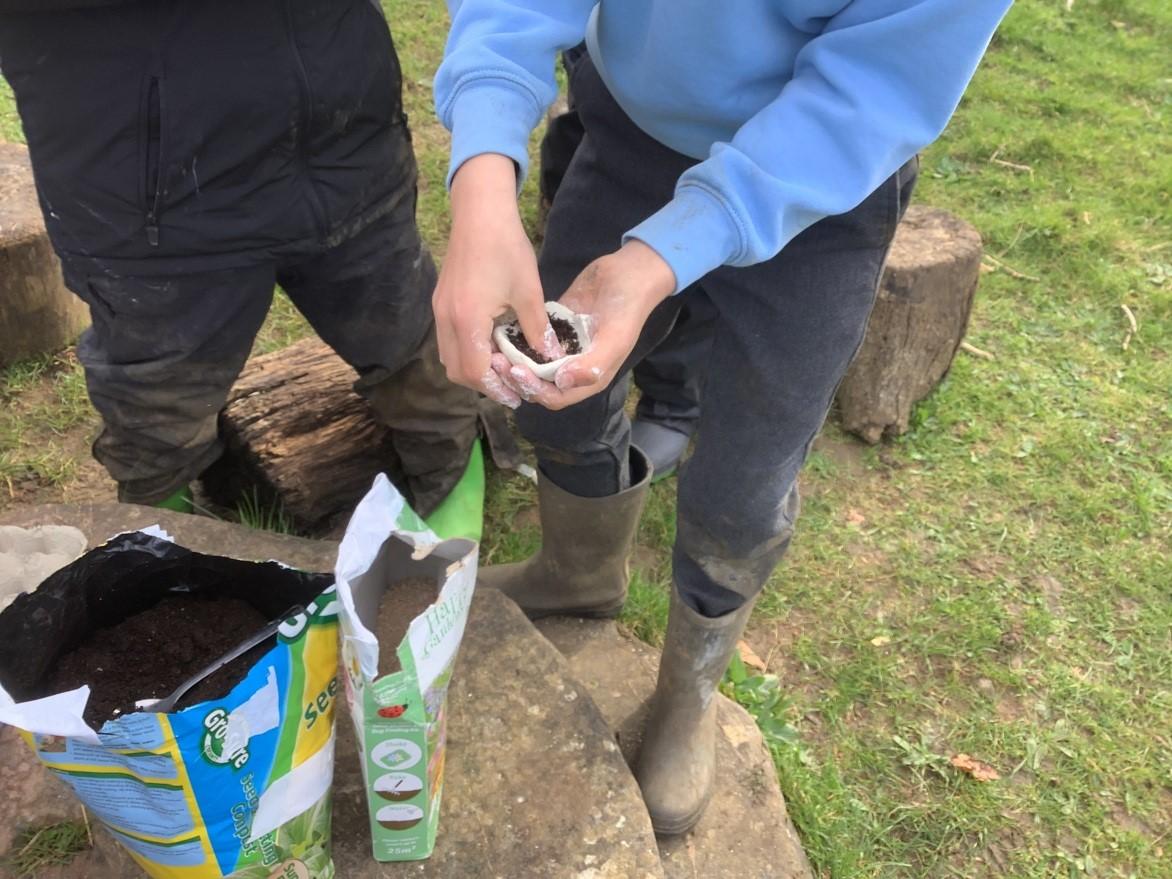
This term, Year 6 looked at finding ways to improve the environment. This included de-weeding and pond cleaning. The children explored how to make fires outside using flints and enjoyed cooking marshmallows on the fire and made items out of clay. The children also explored the different habitats which live within our school area.

Other activities the children have experienced in Forest School:
Year 2
Year 2 Forest School sessions this year focused on the Science unit of ‘Living things and their habitats.’ During their sessions, the children investigated and classified the animals they could find within the school ground and Forest School area, and discussed whether these animals were prey, predators, nocturnal, including discussing their eating habits such as whether they were omnivores, carnivores or herbivores. They then discuss food chains of different animals, before deciding that the top predator would be a fox and the most preyed animal would be a worm.
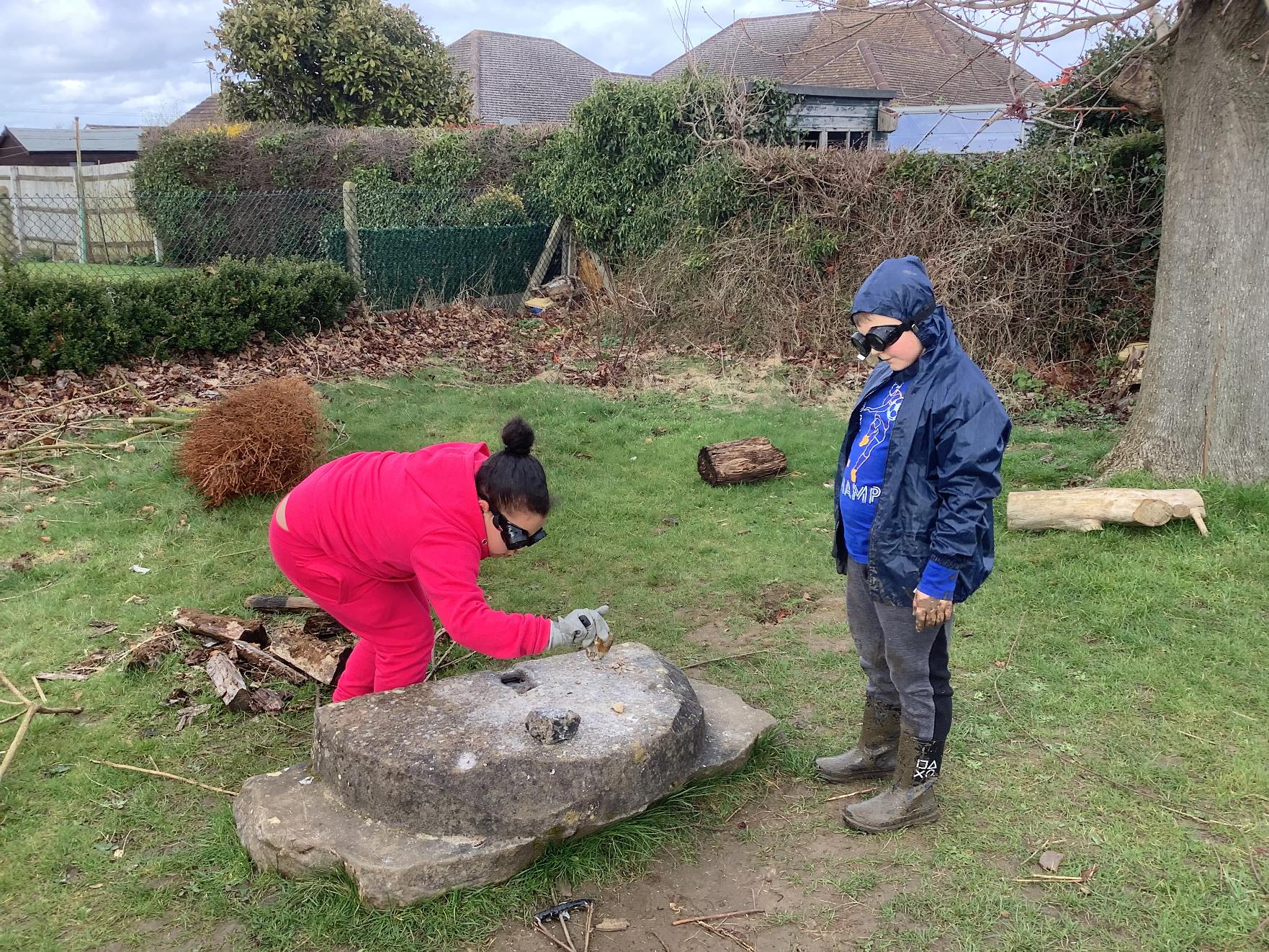
Year 2 then explored human evolution, and discussed how our previous ancestors would survive by using flint as a tool to be used for weapons, spear heads and knives and had a go at making charcoal on the fire.
Year 3
During the Autumn term, Year 3 within their Forest School sessions participated in activities focused on living things and their habitats. Firstly, they explored the habitats of hedgehogs, bugs, birds and amphibians including discussing the behaviour and diet of herbivores, omnivores and carnivores. They discussed whether if animals were cold or hot blooded and which animals are nocturnal, and how these animals find, father and hunt for their food.
Alongside exploring animals, the children also discussed the fauna and flora lifecycles including trees that are deciduous and evergreen. Finally, they investigated what plant life could be found in the Forest School area and discussed the parts of a plant, how they grow, defend themselves and the process of pollination.