Maths
Curriculum Documents

|
Maths Intent, Implementation and Impact | [pdf 625KB] |

|
|
|
Maths Progression | [pdf 582KB] |
|
|
|
Curriculum SEN provision in Maths | [pdf 203KB] |
|
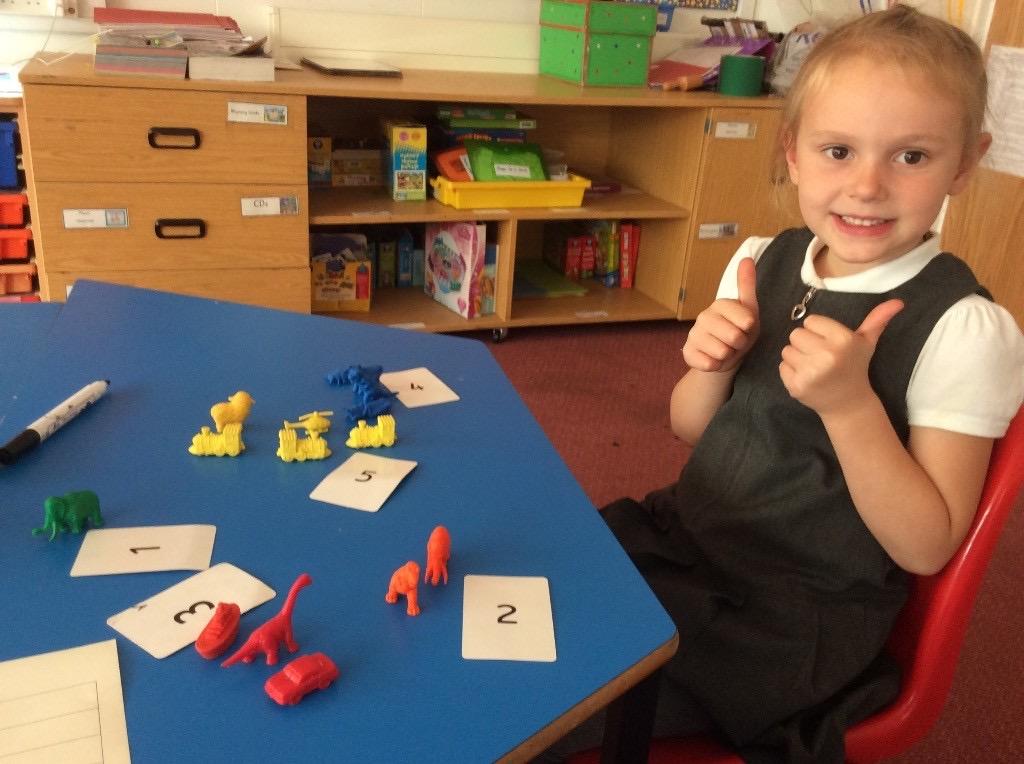
Maths Intent
Pupils currently at Shurdington C of E Primary School display an improving ‘growth mindset’ towards undertaking mathematical arithmetic and reasoning challenges. The current Shurdington Mathematical learning positively supports and re-enforces the confident use of Mathematical thinking and problem solving. Pupils recognise Mathematical techniques and know a range of ways to undertake reasoning problems and apply the skills they have learnt within the classroom.
Therefore the intent of the Mathematical Curriculum at Shurdington is to:
- Ensure children have Mathematical concepts, skills, knowledge and thinking strategies that are essential in everyday life.
- Learn, use and apply Mathematics skills and knowledge to support learning across the curriculum, particularly Science.
- Help children make sense of the numbers, patterns and shapes they see in the world around them.
- Offer ways of handling data in an increasingly digital world and contribute to their development as successful learners.
- Discover how Mathematics has developed over time and contributes to our economy, society and culture.
- Stimulate curiosity, foster creativity and equip children with the Mathematical skills and knowledge they need in life beyond school.
- Use Mathematics to promote an enjoyment of learning.
- See how Mathematics is important as a distinctive form of knowledge.
Maths Implementation
To ensure that Mathematics is taught successfully, and children are making progress
at Shurdington:
- Maths Mastery used throughout the school and ‘White Rose Maths’ Timetable of work is used for inform lesson planning.
- Assessment using Testbase test materials, which are on-going assessment throughout the year and use optional SATS test at the end of the academic year to show progress and attainment.
- Mathematics lessons and daily Maths meetings are taught daily to ensure curriculum coverage is made.
- Maths meetings are used ensure that children are taught efficient Maths calculations and give the children plenty of opportunity to consolidate Mathematical teaching, vocabulary and learning.
- On-going teacher assessment and daily feedback and marking is used to inform lesson planning and pupil interventions.
- The teaching of Mathematics is monitored by doing regular lesson observations, pupils conferencing, planning and book audits, which identify school strength and areas for development.
- Opportunities are given for continual professional development of staff provided both internally and by external agencies.
- Children’s understanding is enriched by using resources within lesson and providing children with chances to apply Mathematics in all areas of the curriculum.
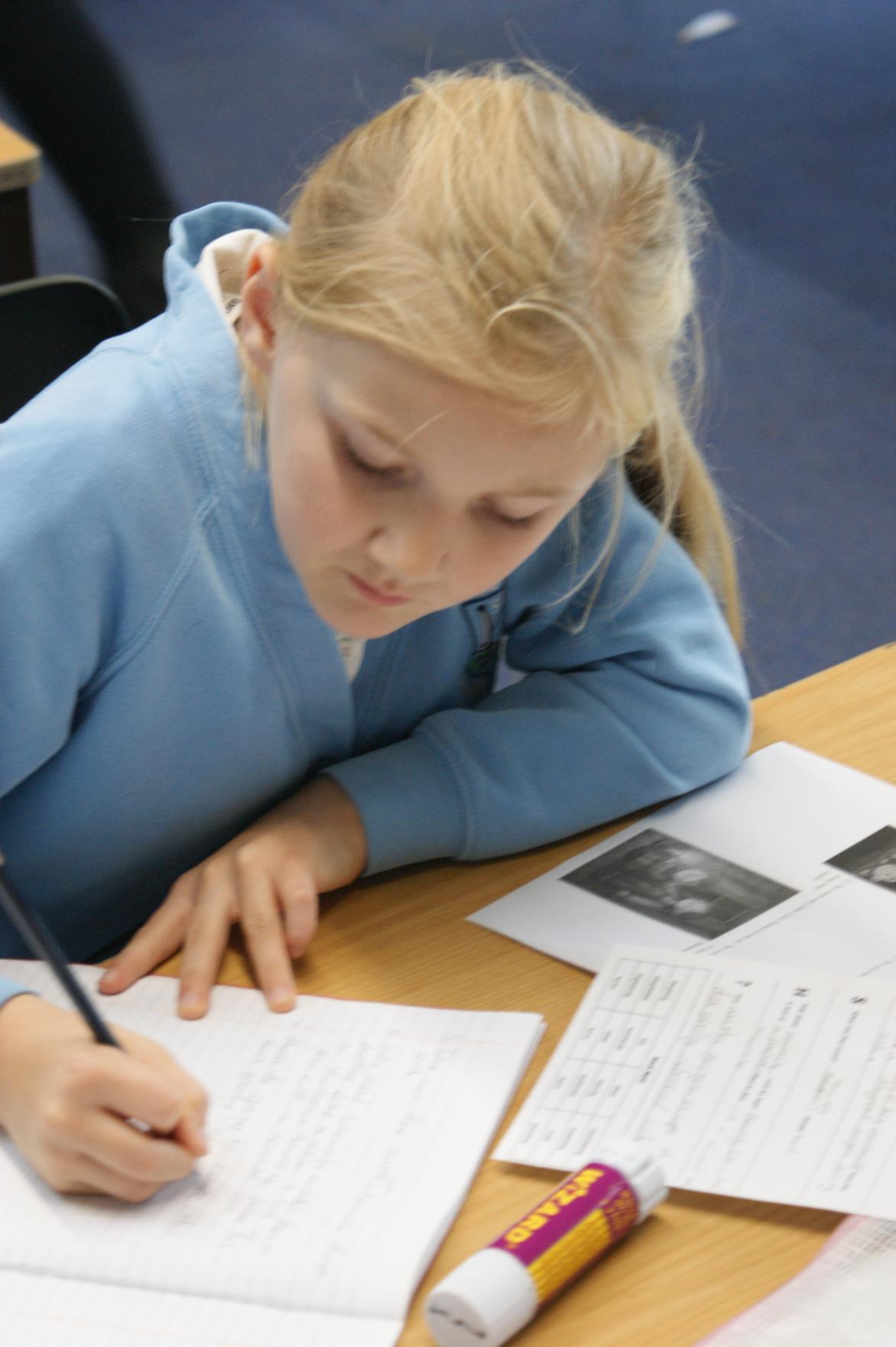
- Enrichment of Maths is done through clubs. Termly house competitions based around multiplication times tables and number bonds also add enrichment and promote the use of technology to support Maths learning. To further help and extend those who are particularly gifted within Mathematics, chosen pupils are entered into the UK Mathematical Trust annual challenges.
Maths Impact
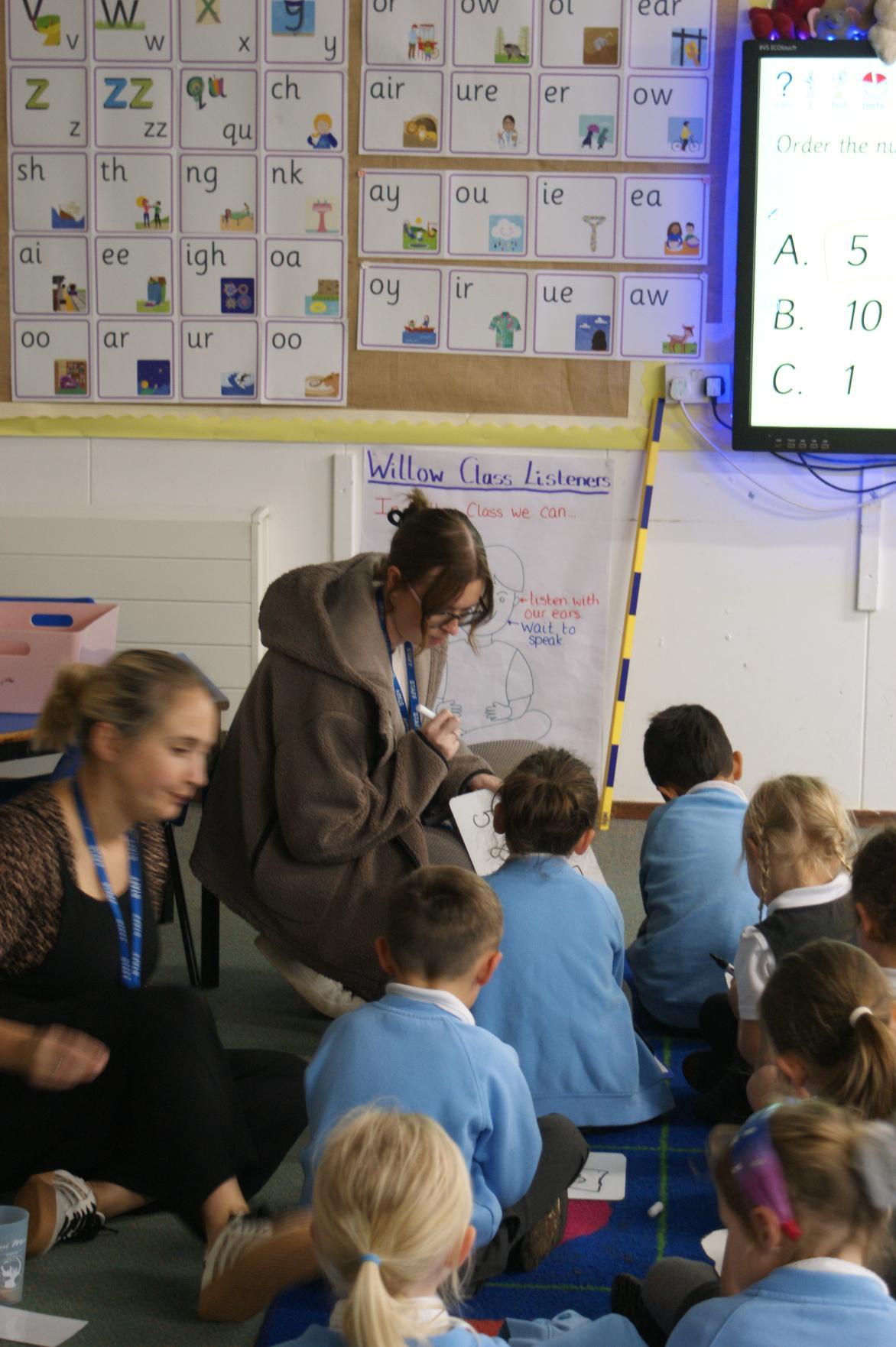
The impact for the Maths curriculum will be consistently measured through pupil voice, book looks and audits, lesson observations and once every large term through Testbase assessment. Children’s understanding of lesson key questions and objectives is regularly recorded and monitored using Insight Tracker. End of year impact will be shown through the use of Optional SATs testing and official government assessment at the end of KS1 and KS2. Impact of multiplication teaching will be seen in results for the Y4 Multiplication Tables Check. Intent and implementation will ensure that our children’s attainment in Mathematics is in line with or exceeding their potential when we consider the varied starting points of children, with age related expectation seen as the minimum goal of achievement. The impact will also be that children will be prepared for Mathematical life in secondary education and beyond in modern Britain and the world. Children will approach Mathematical problems and challenges with confidence and vigour. Children do not give up, are highly motivated to succeed and achieve within all areas of Mathematics.