Art
Curriculum Documents

|
Art Intent, Implementation and Impact | [pdf 457KB] |

|
|
|
Art coverage | [pdf 2MB] |
|
|
|
Art Vocabulary progression (002) | [pdf 460KB] |
|
|
|
Progression of artists | [pdf 16MB] |
|
|
|
Vocabulary, objectives and AFL questions | [pdf 180KB] |
|
Art Intent
- Allow children to experience a wide range of artists, craft makers and designers both past and present.
- Describe the differences and similarities between different practices and disciplines, and make links to their own work.
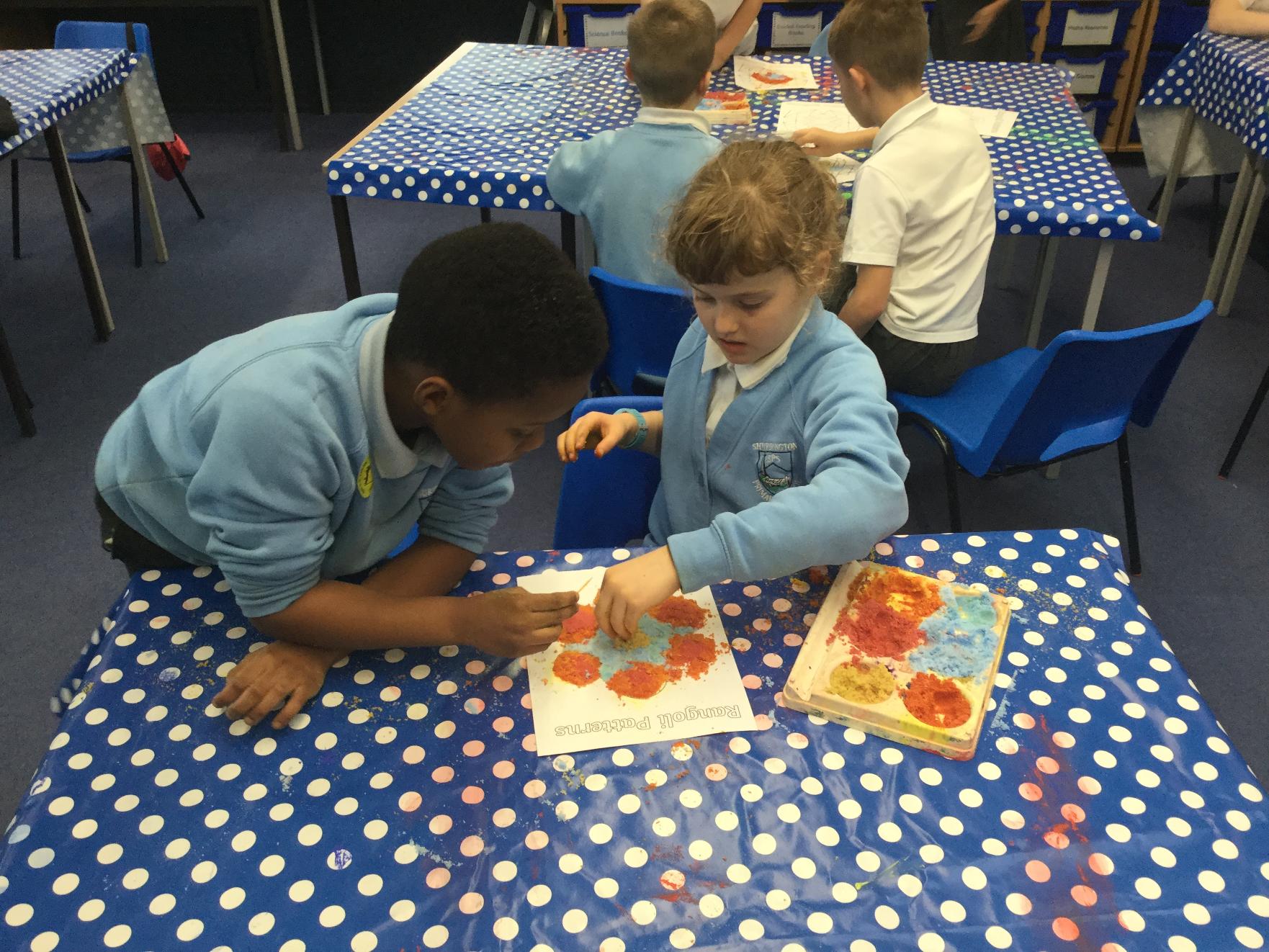
- Provide children with the knowledge and skills in order to focus on acquisition of skills in the following areas: drawing, painting, sculpture, printing and textiles using range of materials [for example, pencil, charcoal, paint, clay].
- Have the opportunity to showcase their work through displays in classroom and around school at the end of each unit and during Art week in a gallery for parents and carers to view
By the end of Key Stage 1 our children will have covered the subject content of the National Curriculum by concentrating on developing core Art and Design techniques by using: drawing, painting, sculpture, printing and textiles.
By the end of Key Stage 2 our children will be developing these skills further by improving their mastery of Art and Design techniques, including: drawing, painting, sculpture, printing and textiles with a range of materials [for example, pencil, charcoal, paint, clay].
The Art Curriculum supports an area of our ‘Shurdington Experiences’ (agreed experiences we want all children to take part in before they leave our school):
- Feel good about themselves and feel proud
- Help others (e.g. raise money for a charity.)
Art Implementation
Art will be planned as a stand-alone subject unless it can teach children artistic skills through a topic (e.g printing when studying the Egyptians and printing Egyptian hieroglyphs). Art will be taught through a mixture of skill based demonstration lessons and opportunities for children to independently plan, create and evaluate their own art work.
The curriculum is carefully planned to ensure progression across the year groups alongside the opportunity to build on prior knowledge and skills. This is detailed in the art coverage document. The focus is in developing proficiency in these techniques and is supported through the study of key artists and the development of a knowledge of their work which will contribute to an understanding of their own and others’ cultural heritages through studying a diverse range of male and female artists throughout history. This is detailed in the study of artists progression document. Art is taught as a sequence of skilled-based lessons leading to a final project to be displayed around school or in classrooms.
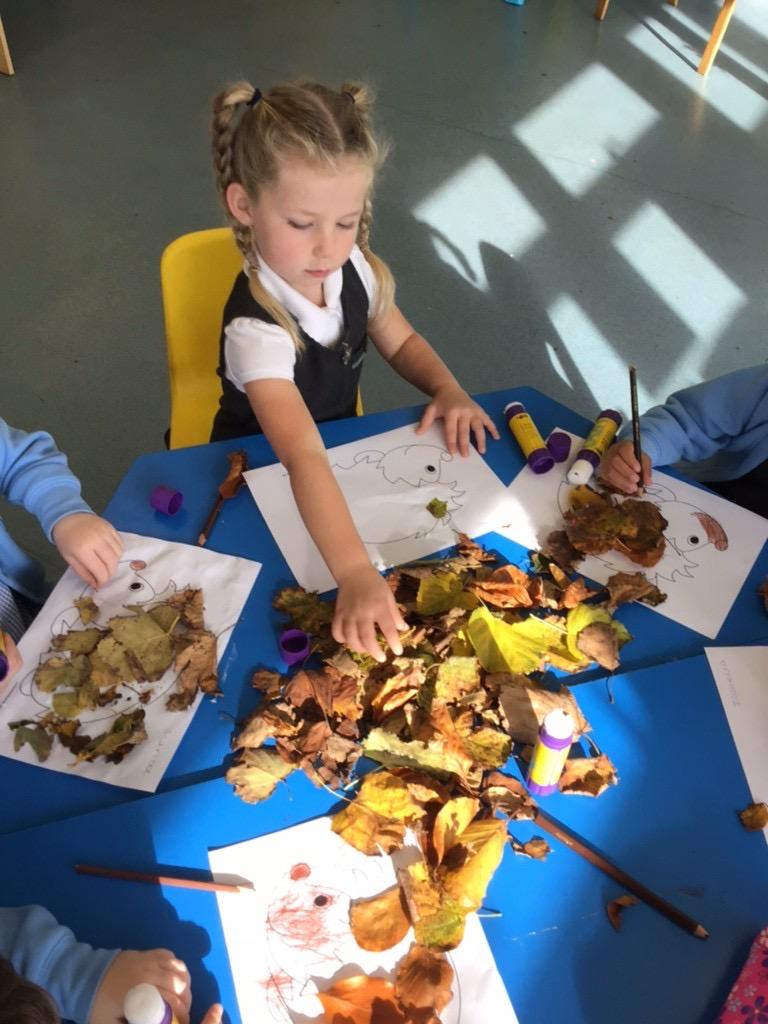
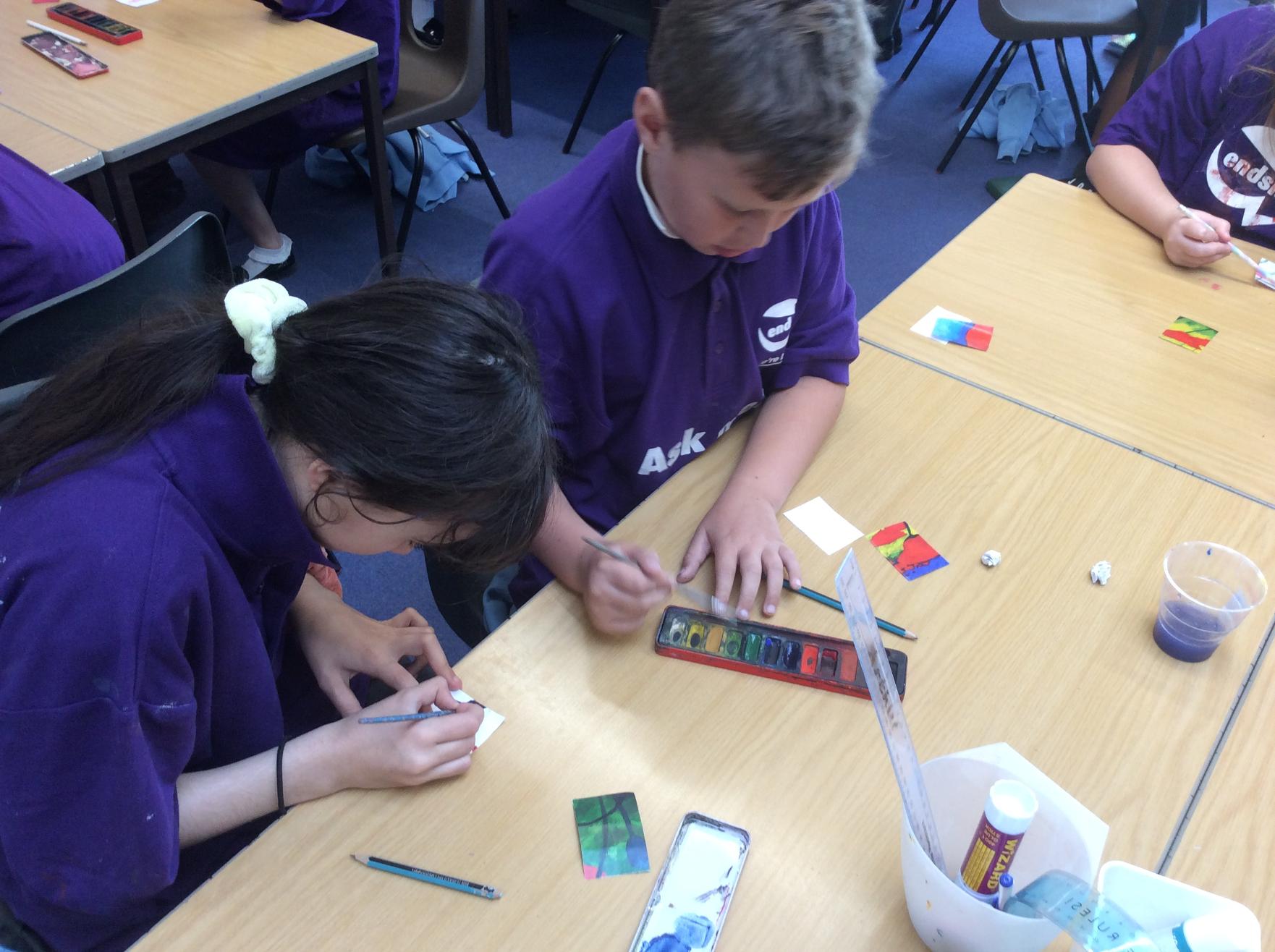
Children will learn to investigate the visual and tactile qualities of a broad range of materials so they can decide which ones will best match the purpose of their work. They will improve their mastery of a range of key art and design skills by developing their knowledge and understanding of specific drawing, painting, sculpture, textile and printing techniques. Lessons involve the teaching of line, shape, tone, pattern and texture and how these elements can be combined to produce a final piece of work. All children will have the opportunity to experience a wide range of materials and are encouraged to explore mixed media. Children are asked to evaluate and compare their final piece with a peer to enable them to consider how they could adapt and improve their work.
Children have also had the opportunity to be taught by specialist art teachers, meet with visiting artists and visit other local schools to produce works of art. The children's art is celebrated at the end of each unit by being displayed in classrooms or around school. In the summer term, children take part in an Art week culminating in an Art gallery for parents and carers to view. This is an opportunity to celebrate the children’s’ creativity and hard work whilst also raising money for art resources.
Art Impact
The impact for our Art curriculum will be measured through pupil voice, engagement in clubs, progress in books (these Art books will go with the children as they progress through the school), unit cover sheet to show children’s understanding of artistic vocabulary. Children will also be able to use specific vocabulary in their self or peer assessment when evaluating their final pieces of work. Art assessment will be carried at the end of each term relating to the art coverage objectives of: painting, drawing, sculpture, textiles and printing. Teachers will assess using a word document to explain whether children are working, ‘below expectations’, ‘at related expectations’ or ‘greater depth standard.’ Teachers are then to provide an analysis on how they can catch the children up or stretch the children’s learning.