Writing
Curriculum documents

|
Writing 3 I | [pdf 747KB] |

|
|
|
Writing prog doc - including eyfs | [pdf 450KB] |
|
Writing Intent
At Shurdington, we provide an inclusive writing environment that encourages children to develop as confident, critical and creative communicators. We have developed a clear and consistent writing curriculum that has been carefully designed to support children to plan, write, edit and improve their work with purpose and independence. The curriculum aims to build strong foundations in sentence structure, vocabulary, spelling and grammar, while encouraging pupils to express their ideas clearly and imaginatively for a range of audiences and purposes.
We are determined to ensure that our pupils can speak, read and write. We endeavour to instil a love of writing in our children which will stay with them through all phases of their lives.
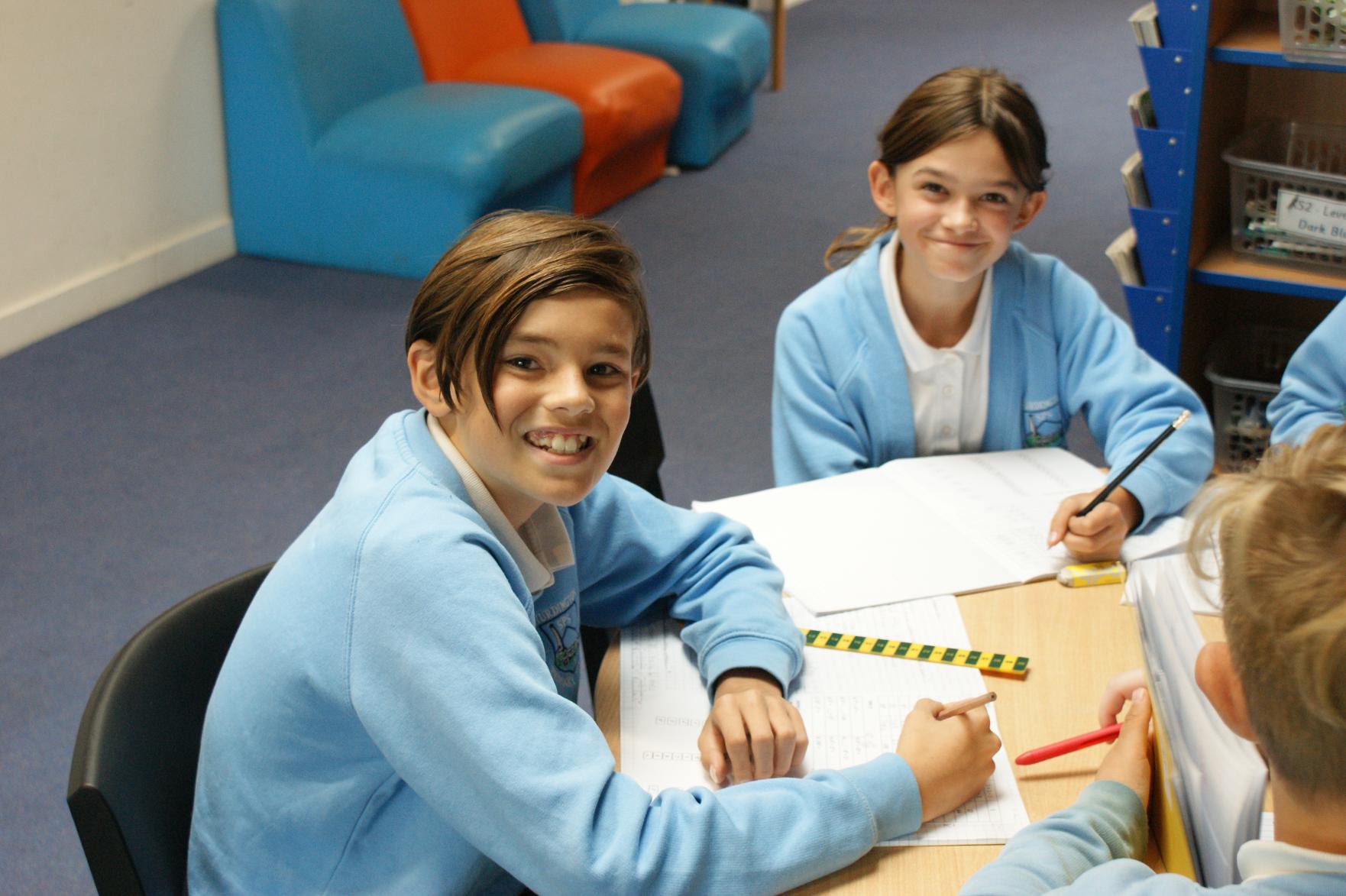

Writing Implementation
Writing at Shurdington begins in Reception, with a strong emphasis on oral composition and the development of transcription skills alongside systematic phonics teaching, providing structured support to reduce cognitive load and allow pupils to focus on expressing their ideas. The Reception year has a focus on gross and fine motor control, to give pupils the opportunity to develop the skills to hold and control a pencil.
Our curriculum teaches children:
- Correct letter formation, posture and pencil grip.
- Transcription skills.
- Spelling, punctuation and grammar.
- Composition through modelled and shared writing.
- To write across the curriculum for a range of subjects.
- To write for a number of different purposes including: narratives, explanations, descriptions, comparisons, summaries and evaluations.
During the Autumn term, English lessons will focus on spelling, punctuation, grammar and handwriting
As the children move through the school, writing is taught in units designed to cover a range of genres split into four specific purposes: to entertain, to inform, to persuade and to discuss. Key Stage 1 focus on two purposes (to entertain and to inform), Lower Key Stage 2 three (to entertain, to inform and to persuade) and Upper Key Stage 2 all four. Each lesson must have a key question and a success criteria is used. This will allow children to write for a range of purposes and genres and this will be suited to their age.
Genres are spilt as follows:
|
|
To Entertain (description to be taught as part of narrative unit) |
To Inform |
To Persuade |
To Discuss |
|
Year 1 & 2 |
Narrative Poetry |
Recount Instructions Information text |
N/A |
N/A |
|
Year 3 & 4 |
Narrative Poetry |
Instructions Recount Information text Newspaper |
Advert Letter |
N/A |
|
Year 5 & 6 |
Narrative Poetry |
Newspaper Explanation Non-chronological report Biography |
Letter Advert |
Balanced Argument Essay/discussion |
Writing Units
At Shurdington we have created our own approach to the teaching of writing meeting the needs of children in our community in the modern world. English units are book-based, to ensure a diverse, high quality literature is being used. Children are given opportunities to write across the curriculum using the skills they have been taught in English lessons.
All English units follow a particular sequence, the narrative example below, other genres can be found in the English planning document guidance.
Narrative unit – 4 week minimum
Each English unit follows a particular sequence of:
- First hand experience (1 lesson)
- Model descriptive writing (minimum of 6 lessons)
- Grammar and punctuation (1 lesson)
- Planning (1 lesson minimum)
- Model writing the text in stages (minimum of 4 lessons)
- Revise and edit (minimum of 2 lessons)
- Publish (minimum of 1 lesson)
Handwriting
Handwriting is a vital part of our writing curriculum, as developing fluent, legible, and confident handwriting supports pupils’ transcription skills, enhances the clarity of their written communication, and enables them to focus on expressing their ideas creatively and effectively. Handwriting is taught precisely, in a clearly sequenced progression, starting from reception, to support their gradual acquisition of skills.
Key Stage 1
Handwriting is a key focus during the Autumn term, ensuring that high standards are established from the start of the year. It is taught four times a week during this term, with teachers consistently modelling and expecting excellence. Handwriting remains a priority throughout the year, with weekly lessons and regular opportunities for pupils to practise and consolidate their skills. Targeted interventions are provided for pupils who require additional support to achieve the expected standard.
Key Stage 2
Handwriting remains a key focus, with teachers emphasising the importance of pupils achieving automaticity. It is taught four times a week during the first six weeks of the Autumn term, after which teachers continue to model handwriting and maintain high expectations throughout the year. As in Key Stage 1, targeted interventions are provided for pupils who require additional support to reach the expected standard.
Spellings
Spellings are taught through our daily phonics lessons, Essential Letters and Sounds (ELS) in Reception and Year 1. Year 2 teach whole class spelling, 3 times a week using the ELS spelling programme. In Key Stage 2 Spelling continues to be taught 3 times a week following the Essential Spelling and Word Knowledge programme designed by ELS.
Writing Targets
Children will have three writing targets at all times. Writing targets are based on spelling, punctuation, grammar and presentation from their year group or previous year groups, depending on the child’s ability and will often be linked to a child’s My Plan target. Children must show that they have written using these targets four times. Every time a target is met a new one is given. Children are expected to complete three targets each half term.
Assessment
A wide range of strategies are used to measure the impact of our writing curriculum. Pupils’ progress is monitored through pupil voice, book looks, audits, and lesson observations. Writing is assessed using our online tracking system, Insight, alongside Ros Wilson’s standards for writing. Internal and external moderation are timetabled throughout the year, and SLT regularly carry out book looks.
Writing Impact
Pupils will have developed secure transcription skills enabling them to write fluently and independently, reducing cognitive load so they can focus on composing, structuring, and refining their ideas. As highlighted in the Writing Curriculum 2025, mastery of spelling, handwriting, and keyboard skills supports clarity, coherence, and creativity across all genres, underpins progress in composition, and builds confidence in expressing ideas effectively. Our pupils will be well-prepared for the next stage of their education, able to communicate effectively, and are equipped with the lifelong skills to express their ideas with confidence and precision.
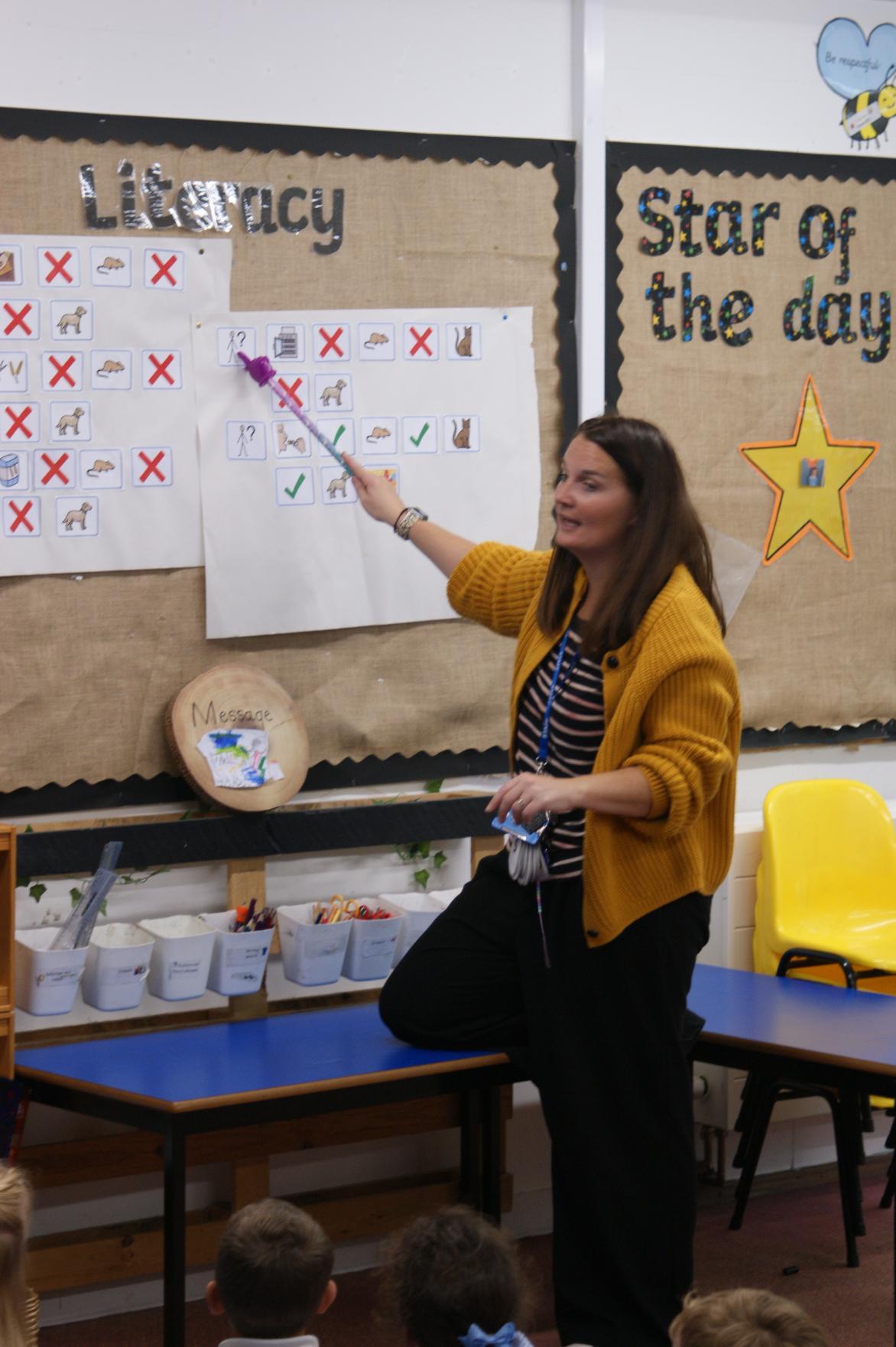
Text Type Progression at Shurdington
|
|
Text type progression | [pdf 554KB] |
|
|
|
Poetry success criteria | [pdf 371KB] |
|
|
|
Speech success criteria | [pdf 118KB] |
|
|
|
Review success criteria | [pdf 292KB] |
|
|
|
Recount success criteria | [pdf 137KB] |
|
|
|
Newspaper success criteria | [pdf 136KB] |
|
|
|
Narrative success criteria | [pdf 162KB] |
|
|
|
Letter writing success criteria | [pdf 138KB] |
|
|
|
Instruction success criteria | [pdf 121KB] |
|
|
|
Info-text-Non Chron success criteria | [pdf 141KB] |
|
|
|
Explanatory success criteria | [pdf 128KB] |
|
|
|
Essay success criteria | [pdf 122KB] |
|
|
|
Description success criteria | [pdf 128KB] |
|
|
|
Biography success criteria | [pdf 127KB] |
|
|
|
Balanced argument success criteria | [pdf 129KB] |
|
|
|
Advert success criteria | [pdf 130KB] |
|